
How to Claim Car Insurance in India Without Getting It Cut or Rejected
Claims punish you for doing things in the wrong order. Here is the right order, from the accident to the payout, and what to do if the insurer pays too little.
On this page
- What should I do immediately after the accident?
- Do I need to file an FIR?
- When should I inform the insurer?
- Cashless or reimbursement: which should I choose?
- What does the surveyor do?
- What documents will I need?
- Why did the insurer pay less than the garage bill?
- Can I disagree with the surveyor's assessment?
- How long does a claim take?
- What is a total loss, and how is it paid?
- What if the other driver was at fault?
- Will my claim be rejected if my licence or PUC had expired?
- Can I make more than one claim in a year?
- Can I choose my own garage and still get cashless?
- My claim was rejected. What now?
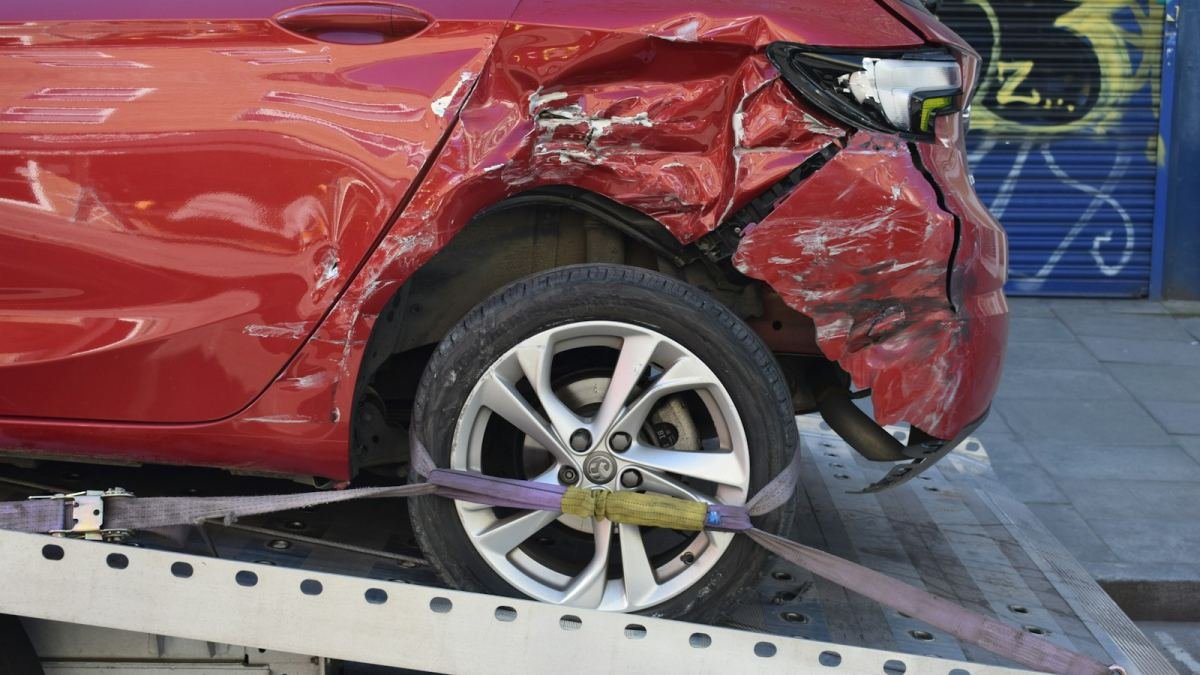
Most claim horror stories I hear start the same way. Someone had an accident, panicked, took the car to the nearest garage, let the repairs begin, and called the insurer two days later. By then, the surveyor couldn't see the original damage, the garage wasn't in the network, and the claim turned into a month-long argument.
Claims aren't hard. They just punish you for doing things in the wrong order. Here's the right order, from the moment of the accident to the money in your account, along with the questions people actually ask along the way.
What should I do immediately after the accident?
- Check everyone is safe. Call 112 if anyone is hurt. Nothing else matters until that's handled.
- Take photos and videos of all the damage, the other vehicles and their number plates, the road, and nearby landmarks. Take more than you think you need.
- Note names and phone numbers of other drivers and witnesses.
- Don't sign anything or admit fault in writing at the spot.
- Don't move a badly damaged car unless it's blocking traffic or unsafe. It helps the claim if the surveyor can see where it happened.
Do I need to file an FIR?
Yes for theft, injury, death, damage to someone else's property and hit-and-run. These claims are not processed without one. For minor own-damage accidents with no third party involved, most insurers don't require an FIR, but check your policy wording. When in doubt, file one. It costs you nothing but time.
When should I inform the insurer?
As soon as you reasonably can, ideally the same day. Policies require prompt intimation, and a long delay can be used to question the claim. Call the helpline or use the insurer's app, and note down the claim number. Every later conversation will need it.
If the damage is small, you may want to check whether claiming is worth it before you call. But for anything involving a third party or injury, inform them anyway.
Cashless or reimbursement: which should I choose?
| Cashless | Reimbursement | |
|---|---|---|
| Garage | Must be in the insurer's network | Any garage you choose |
| Payment | Insurer pays the garage directly | You pay, then claim it back |
| You pay | Only your share (deductibles, depreciation, exclusions) | Full bill first |
| Paperwork | Mostly done by the garage | You submit bills and documents |
| Speed | Usually faster | Depends on how quickly you submit |
Choose cashless when you can. Check the insurer's network list in their app or website before taking the car anywhere, because a garage that "works with all insurers" isn't necessarily in your insurer's cashless network.
What does the surveyor do?
For most own-damage claims, a surveyor appointed by the insurer inspects the car, usually at the garage. They check the damage matches the accident you described, decide which parts need replacing and which can be repaired, and note anything that isn't covered. For smaller claims, many insurers now do this through a video call or photos.
Do not let the garage start repairs before the survey is done and approved. This is the single most common reason claims get cut or rejected.
What documents will I need?
- Signed claim form
- Policy copy
- Driving licence of whoever was driving
- Registration certificate (RC)
- FIR copy, where needed
- Repair estimate, then the final bill and payment receipts (for reimbursement)
- Cancelled cheque or bank details (for reimbursement)
For theft, add all original keys, the police's final report saying the car wasn't found, and signed transfer forms so the car can be moved to the insurer's name.
Why did the insurer pay less than the garage bill?
Almost always for these reasons:
- Depreciation on replaced parts: 50% on plastic, up to 50% on metal depending on age.
- Deductibles: ₹1,000 or ₹2,000 compulsory, plus any voluntary one.
- Consumables: oil, nuts, bolts and so on, unless you have that add-on.
- Items the surveyor didn't approve, such as old damage or wear.
Ask for the surveyor's assessment sheet. It lists every item and every deduction. Check it line by line with our claim depreciation calculator.
Can I disagree with the surveyor's assessment?
Yes, and you should, if something is genuinely wrong. Put your objection in writing, item by item: "Bonnet depreciated at 25%, but the car was 2 years 4 months old on the accident date, so it should be 15%." Vague complaints like "the payout is too low" rarely work. Specific ones often do. Consumer courts also give weight to whether the surveyor's report was specifically disputed.
How long does a claim take?
A straightforward cashless claim often takes one to two weeks, mostly the repair time. Reimbursement depends on how quickly you submit documents. Theft claims take longest, usually a few months, because the police have to give a final report first. IRDAI's rules require insurers to settle within set timelines once all documents are received. If yours is dragging, ask in writing which document is pending.
What is a total loss, and how is it paid?
If repairs would cost more than 75% of the IDV, the insurer usually treats the car as a constructive total loss. You're paid the IDV, less the deductible. If you keep the damaged car, its salvage value is also deducted. A return to invoice add-on raises this payout to the full on-road price. See our add-ons guide.
What if the other driver was at fault?
You can either claim from your own policy, which is faster but costs your NCB, or pursue the other driver's insurer for your losses. For serious injuries and large losses, claims go through the Motor Accident Claims Tribunal. In practice, many people claim from their own policy for car damage and let the insurers settle between themselves.
Will my claim be rejected if my licence or PUC had expired?
An expired or invalid driving licence of the person driving is one of the most common grounds for rejecting an own-damage claim. Drunk driving is another. An expired PUC certificate is less clear-cut. It's a traffic offence, but insurers generally can't reject an accident claim only because the PUC had lapsed, unless the policy specifically says so. Keep both current, so the question never comes up.
Can I make more than one claim in a year?
Yes. A standard policy has no fixed limit on the number of own-damage claims. Each claim pays its own deductible, and your NCB resets after the first one anyway. Add-ons like zero depreciation usually have a yearly claim limit. After that, claims are settled without the add-on's benefit.
Can I choose my own garage and still get cashless?
Only if that garage is in your insurer's network. If you prefer a non-network garage, maybe your car's authorised dealer that isn't tied to your insurer, you can still claim on reimbursement. You pay the garage, then submit the bills. The surveyor will still need to inspect the car before repairs.
My claim was rejected. What now?
- Ask for the rejection reason in writing, with the policy clause it relies on.
- Write to the insurer's grievance cell with your evidence.
- If there's no satisfactory reply within the set time, escalate to IRDAI's Bima Bharosa portal or the Insurance Ombudsman. Both are free.
- For larger disputes, the consumer commission is the next step.
Keep copies of everything: photos, estimates, bills, emails, call reference numbers and the surveyor's report. A paper trail is your strongest tool.

I'm Yash Gupta, born in 2008, and I started FinanceBudget in December 2025. I write every guide on this site and maintain the rates behind the calculators. I built it because car insurance renewal notices and claim settlements are full of numbers that nobody…
Found a mistake? Tell us through the contact page. Our corrections policy explains how we fix errors. This guide is general information, not advice for your specific policy. See the disclaimer.
Related guides
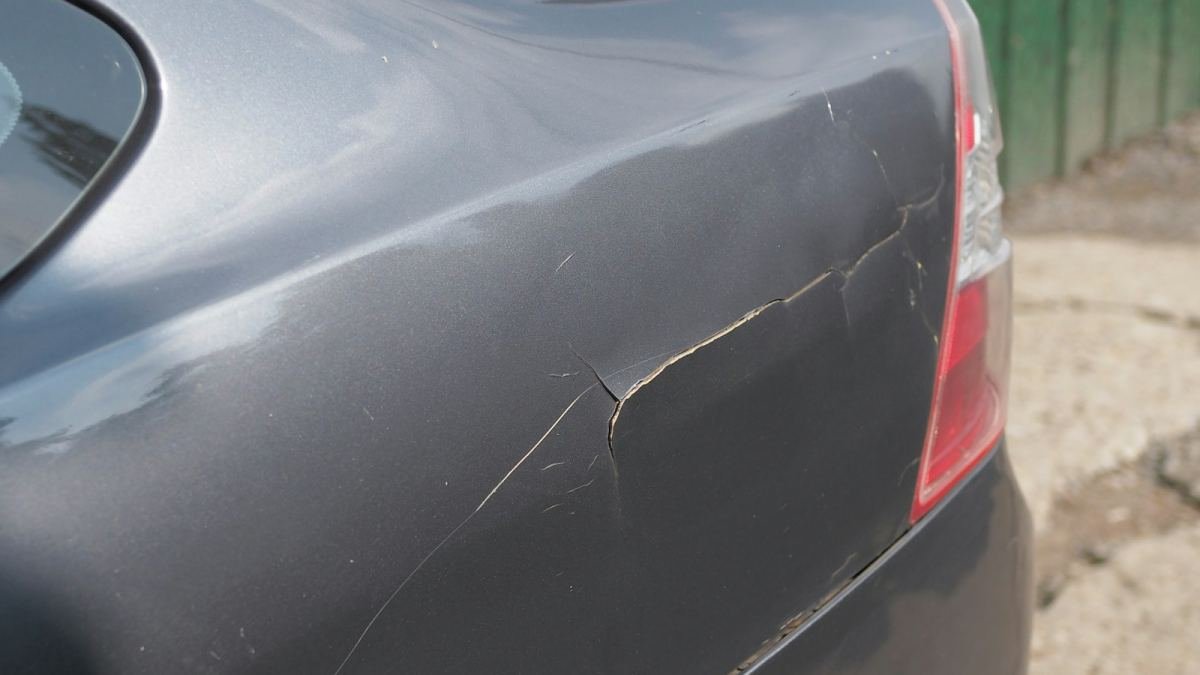
Should You Claim Car Insurance for a Small Dent or Scratch?
For small damage, claiming often costs more than it pays once you count the NCB you lose. Here is how to decide in five minutes, with a real example.
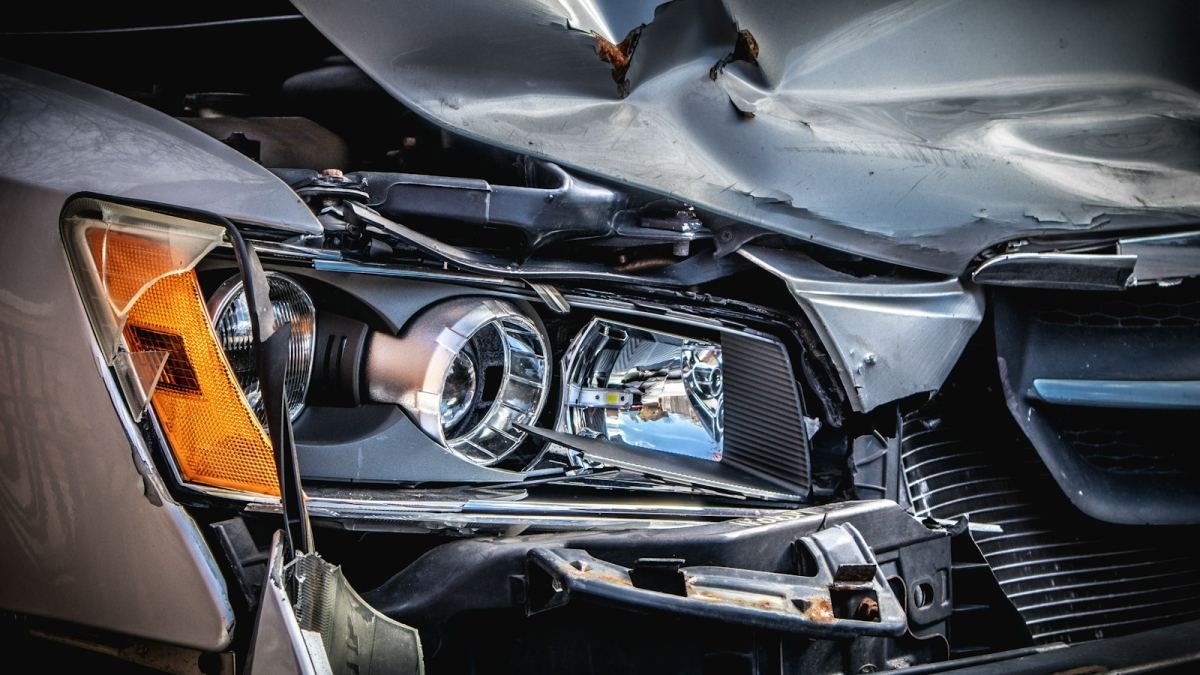
Is Zero Depreciation Cover Worth It? What It Pays and What It Doesn't
Zero dep can add thousands to a claim payout on a newer car. It also has claim limits, age limits and exclusions most people find out about too late.
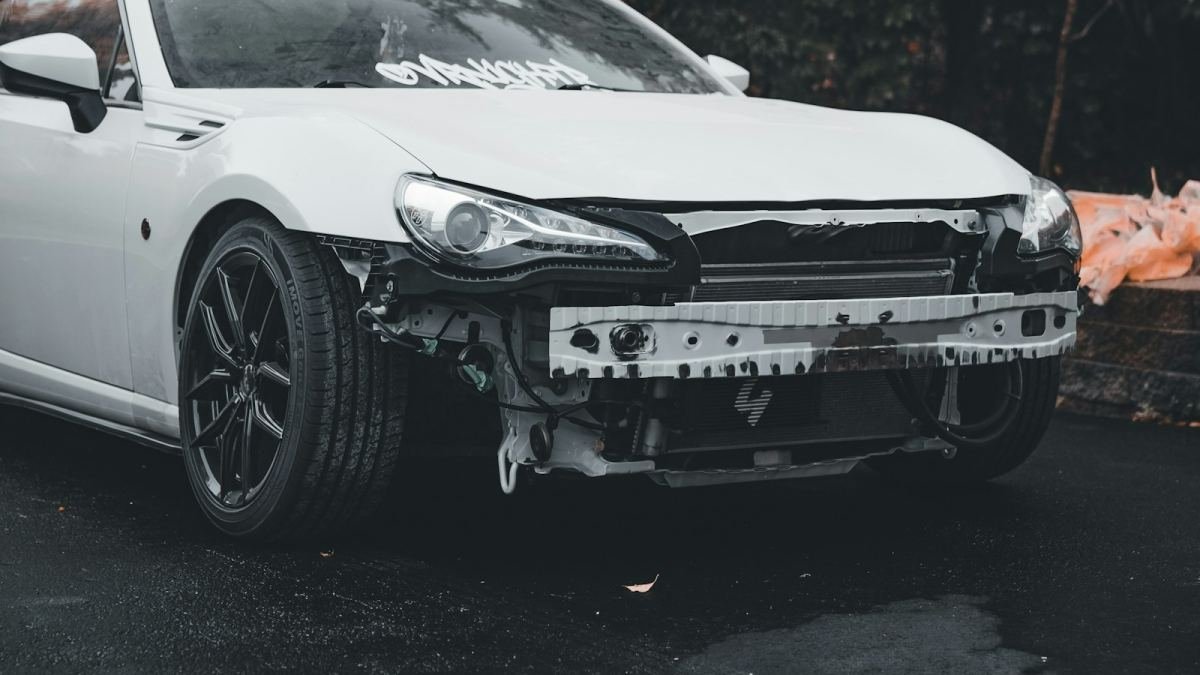
Why Your Insurer Paid Less Than the Garage Bill: Depreciation Explained
Most claim shortfalls come from depreciation written into your policy. Here are the exact rates on each part, a worked bill, and how to spot a deduction that is wrong.