
Car Insurance Add-ons: Which Ones Are Worth Paying For?
Some add-ons save you lakhs, some duplicate cover you already have. Here is who actually needs each one, and a sensible pack for new and older cars.
On this page
- What is an add-on in car insurance?
- Which add-ons are actually worth it?
- Is zero depreciation worth it?
- Do I need engine protection?
- Is return to invoice worth paying for?
- Should I buy NCB protection?
- What does the consumables add-on cover?
- Do I need roadside assistance?
- Is key replacement worth it?
- What about tyre protection?
- Can I add add-ons in the middle of the year?
- How do I compare add-on prices between insurers?
- Is GST charged on add-ons too?
- Do add-ons apply to third-party claims?
- Which add-ons do renewal notices often include without asking?
- Do add-ons move with me if I switch insurers?
- What's a sensible add-on pack for most people?
Add-ons are where car insurance quotes get padded. The base policy is the same everywhere, so insurers compete by offering a menu of extras, and renewal notices often tick a few for you. Some of them are genuinely valuable. Some duplicate things you already have. A few are worth almost nothing for most people.
Here's my honest rule: buy add-ons for the risks that would actually hurt you, not for every risk that could exist. A new car in a flood-prone city needs very different add-ons from a seven-year-old hatchback parked in a covered garage. Let me go through them one by one, with who should and shouldn't pay for each.
What is an add-on in car insurance?
An add-on is an optional cover attached to the own-damage part of your policy. Each one fills a specific gap in the standard policy. They're only available on comprehensive or standalone own-damage policies, not on third-party-only cover. Each has its own price, and you can choose them one by one.
Which add-ons are actually worth it?
| Add-on | What it pays | Worth it for |
|---|---|---|
| Zero depreciation | Depreciation deducted on replaced parts | Cars under about 5 years, city driving |
| Engine protection | Engine damage from water entry or oil leakage | Flood-prone cities, low cars |
| Return to invoice | Gap between IDV and on-road price on theft or total loss | Cars under about 3 years |
| NCB protection | Keeps your NCB after a limited number of claims | NCB of 35% or more |
| Consumables | Oil, coolant, nuts, bolts used in repairs | Pairs with zero dep |
| Roadside assistance | Towing, jump-start, flat tyre, fuel delivery | Highway drivers without free RSA |
| Key replacement | Lost or stolen keys | Cars with costly smart keys |
| Tyre protection | Tyre damage not caused by a wider accident | Expensive tyres, bad roads |
| Personal belongings | Items stolen from the car | Rarely essential |
Is zero depreciation worth it?
For newer cars, usually yes. Without it, the insurer deducts 50% of the price of every plastic part it replaces, and modern cars are full of plastic. On a typical bumper-and-headlamp claim, it can mean ₹7,000 to ₹10,000 more in your pocket. It is usually limited to one or two claims a year, and to cars up to five (sometimes seven) years old. Our zero depreciation guide goes deeper.
Do I need engine protection?
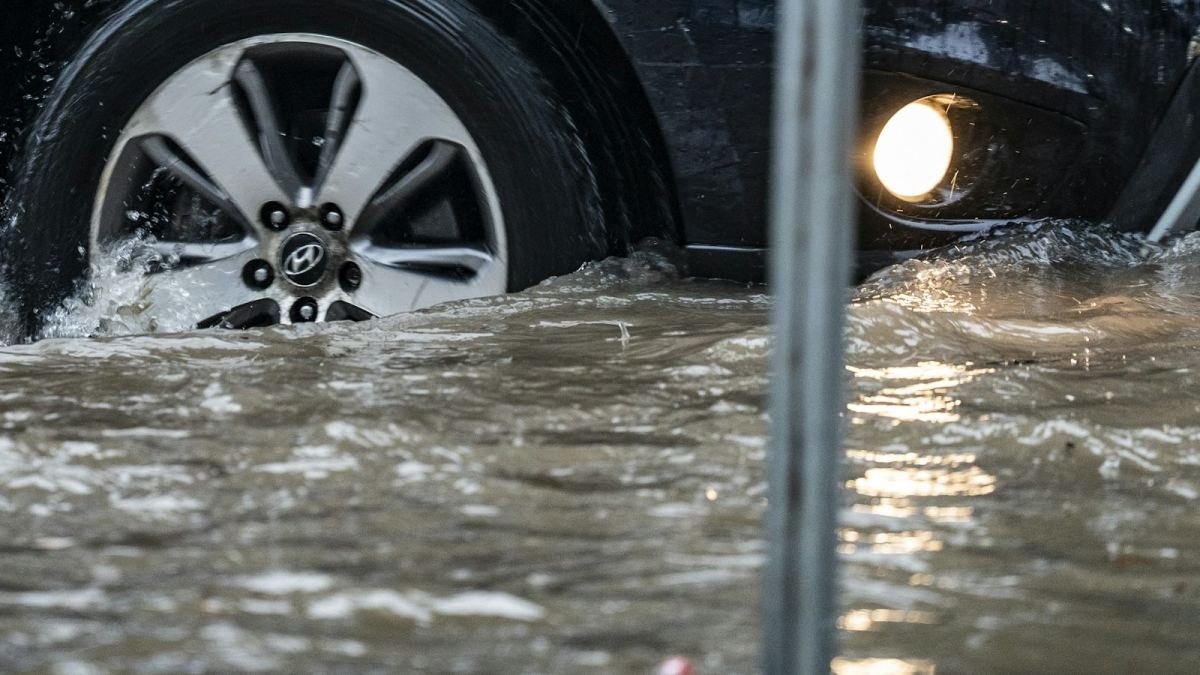
Only if water is a real risk where you live and drive. A standard policy covers engine damage from an accident, but not "consequential" damage, like a hydrostatic lock when you crank an engine that has water in it after driving through a flooded road. That repair can run into lakhs.
If your city floods most monsoons, buy it. If you live somewhere dry and park indoors, skip it. Either way, never try to start a car that has been standing in water. Call for towing instead. That one habit prevents most engine damage, and the insurer may reject the claim if you cranked it.
Is return to invoice worth paying for?
For a new car, often yes. If the car is stolen or written off, a standard policy pays the IDV, which excludes registration and road tax and has already lost 5% to 15% in the first year. Return to invoice pays the gap up to the full on-road invoice, so you can actually buy the same car again.
After about three years, the gap it covers shrinks and many insurers stop offering it. For an older car, skip it.
Should I buy NCB protection?
Look at your NCB in rupees. At 0% or 20%, there's little to protect. At 35% to 50% on a car with a decent own-damage premium, NCB protection often pays for itself the first time you make even a small claim. It usually covers one or two claims a year. Check the limit before buying. The NCB calculator shows what your NCB is worth.
What does the consumables add-on cover?
The small items used up during a repair: engine oil, coolant, brake fluid, nuts, bolts, screws, clips, washers and grease. Individually they're cheap, but on a big repair they can add up to several thousand rupees, and they're excluded from standard and even zero-dep claims. It's an inexpensive add-on, and it makes most sense alongside zero dep.
Do I need roadside assistance?
Check first whether you already have it. Most new cars come with free manufacturer roadside assistance for the warranty period, and some credit cards include it too. If you have neither and drive on highways, it's cheap peace of mind. It covers towing to the nearest garage, battery jump-starts, flat tyres, fuel delivery and lockout help.
Is key replacement worth it?
For cars with smart keys or push-button start, replacement keys can cost ₹15,000 to ₹40,000 at the dealership, sometimes with lock reprogramming on top. For older cars with simple keys, it isn't worth paying for.
What about tyre protection?
A standard policy, even with zero dep, usually covers tyres only when they're damaged along with other parts of the car in an accident. A tyre cut by a pothole on its own is generally excluded. If you have expensive low-profile tyres, or drive on rough roads a lot, tyre protection can be worth it. For most hatchbacks, it isn't.
Can I add add-ons in the middle of the year?
Generally no. Add-ons are chosen when you buy or renew the policy. Plan them at renewal time, and remember that some, like zero dep and return to invoice, are only available until the car reaches a certain age. Once you drop them, getting them back can be difficult.
How do I compare add-on prices between insurers?
Ask each insurer for an itemised quote, with the price of every add-on shown separately. Add-on prices vary far more between insurers than the base premium. One insurer may be cheap on zero dep but expensive on engine protection. Add the total you're actually paying into the premium calculator to see the full annual cost with GST.
Is GST charged on add-ons too?
Yes. GST of 18% applies to the whole premium, add-ons included. A ₹3,000 add-on actually costs ₹3,540. Keep that in mind when you compare add-on prices across quotes.
Do add-ons apply to third-party claims?
No. Add-ons attach to the own-damage cover, so they only change what you get for your own car. When you damage someone else's car, your insurer handles that under third-party cover whatever add-ons you have.
Which add-ons do renewal notices often include without asking?
Roadside assistance, key replacement, personal belongings and passenger cover are the ones I see ticked by default most often. None of them is a scam, but you should choose them on purpose. Untick anything you don't need before paying, and see how much the total drops.
Do add-ons move with me if I switch insurers?
No. Add-ons are part of each insurer's own product. When you switch, you choose them again on the new policy. Watch out for age limits here: a new insurer may refuse zero dep or return to invoice on a car that had them with your old insurer.
What's a sensible add-on pack for most people?
For a car under three years old in a big city: zero depreciation, consumables, engine protection (if your area floods) and return to invoice. For a car three to five years old: zero depreciation, consumables, and NCB protection if your NCB is high. For a car over seven years old: usually nothing, or roadside assistance if you don't have it elsewhere.

I'm Yash Gupta, born in 2008, and I started FinanceBudget in December 2025. I write every guide on this site and maintain the rates behind the calculators. I built it because car insurance renewal notices and claim settlements are full of numbers that nobody…
Found a mistake? Tell us through the contact page. Our corrections policy explains how we fix errors. This guide is general information, not advice for your specific policy. See the disclaimer.
Related guides

Car Insurance Renewal: What to Check Before You Press Pay
Wrong NCB, a quietly cut IDV, add-ons you never asked for. Fifteen minutes with this checklist once a year catches all of them.
Is Zero Depreciation Cover Worth It? What It Pays and What It Doesn't
Zero dep can add thousands to a claim payout on a newer car. It also has claim limits, age limits and exclusions most people find out about too late.
Why Your Insurer Paid Less Than the Garage Bill: Depreciation Explained
Most claim shortfalls come from depreciation written into your policy. Here are the exact rates on each part, a worked bill, and how to spot a deduction that is wrong.