
Should You Claim Car Insurance for a Small Dent or Scratch?
For small damage, claiming often costs more than it pays once you count the NCB you lose. Here is how to decide in five minutes, with a real example.
On this page
- Does a small claim really cost more than it pays?
- How do I decide whether to claim?
- Are scratches even covered?
- When does claiming make sense?
- When should I always involve the insurer, whatever the numbers say?
- Does informing the insurer count as a claim?
- Can I claim for the dent now and pay for the scratch myself?
- How do I get a fair repair estimate before deciding?
- What if I already called the insurer and the surveyor is coming?
- Will a claim raise my premium apart from losing NCB?
- How many claims can I make in one year?
- Should I claim for a broken windscreen?
- What if the damage happened while someone else was driving?
- Does the timing of the claim in the policy year matter?
- The short version
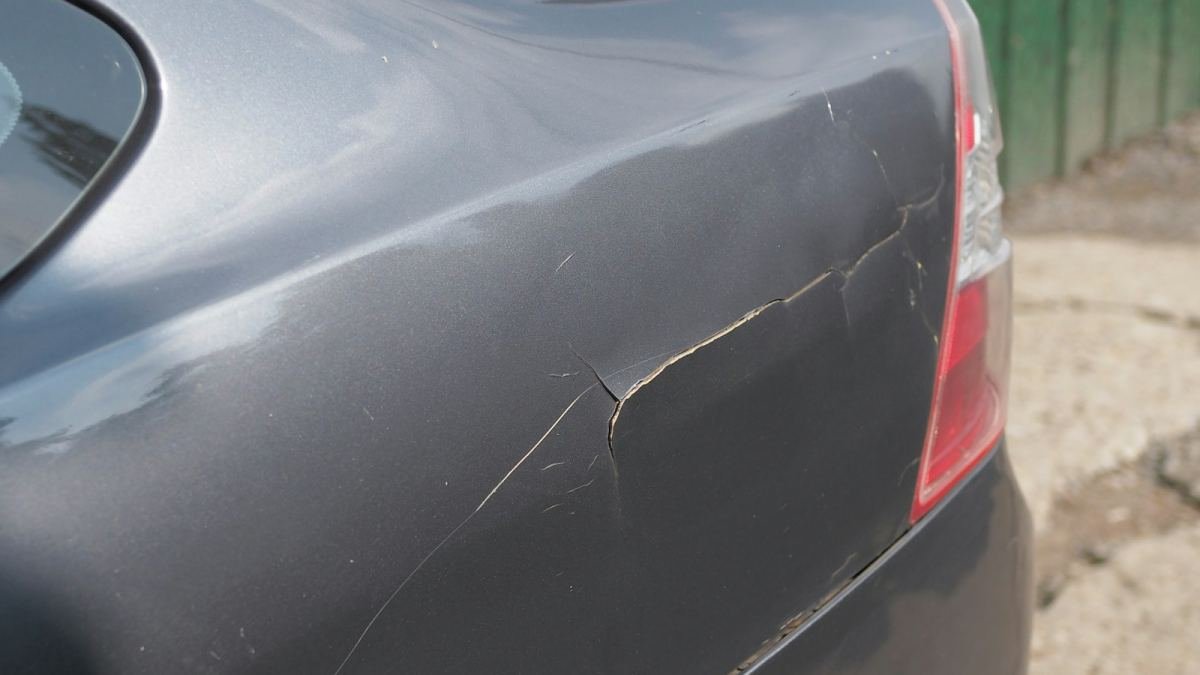
You've just found a fresh dent on your door, or reversed into a pillar in the parking lot. The first thought is: "I pay for insurance every year, I should claim." I understand that. It feels like you're finally getting something back for all those premiums.
But here is what nobody at the insurance helpline will tell you: for small damage, claiming often costs you more than it pays. Not because the insurer cheats you, but because of three things working together. Depreciation and deductibles shrink the payout, and the No Claim Bonus you lose makes you pay more for the next few years. Let me show you how to work it out in five minutes, so the decision is based on numbers rather than frustration.
Does a small claim really cost more than it pays?
Often, yes. Here is a real example.
Priya drives a three-year-old hatchback with 35% NCB. Her own-damage premium before NCB is ₹15,000. She scrapes a side panel and the garage quotes ₹9,000.
If she claims:
- ₹9,000 bill, minus ₹1,500 depreciation, minus ₹1,000 compulsory deductible = ₹6,500 from the insurer.
- She pays ₹2,500 at the garage.
What the claim costs her afterwards:
| Renewal | NCB if no claim | NCB after claim | Extra premium (with GST) |
|---|---|---|---|
| 1 | 45% | 0% | ₹7,965 |
| 2 | 50% | 20% | ₹5,310 |
| 3 | 50% | 25% | ₹4,425 |
| Total | ₹17,700 |
Claiming costs her ₹2,500 now plus ₹17,700 in premium, so ₹20,200 in total. Paying the garage ₹9,000 herself, she is ₹11,200 better off. The claim or pay yourself calculator does this sum for your own numbers.
How do I decide whether to claim?
Compare two numbers:
- What the insurer would pay: the repair estimate minus depreciation minus deductibles.
- What you'd lose in NCB: the extra premium over the next three renewals.
If the first number is clearly bigger, claim. If the second is bigger, pay the garage yourself. If they are close, keep your NCB, because it keeps growing in value as it climbs to 50%.
Are scratches even covered?
Accidental scratches and dents are covered under a comprehensive or own-damage policy. But insurers commonly reject:
- Scratches from normal wear and tear.
- Minor scratches from keys or stones where no accident happened.
- Old damage that was already there when the policy started or was renewed.
Third-party-only policies don't cover any damage to your own car.
When does claiming make sense?
- Big damage. Once the payout is several times your yearly NCB discount, claiming wins.
- Low NCB. At 0% or 20%, there is very little to lose.
- You have NCB protection. You keep your slab, within your insurer's limit on claims.
- You have zero depreciation cover. The payout is much higher, which can tip the balance.
- Another driver was at fault. Their third-party cover should pay for your damage, and your own NCB isn't affected.
- The policy year has just started and you already plan a big claim later. One claim resets NCB the same as two. But make sure your add-ons, like zero dep, allow two claims.
When should I always involve the insurer, whatever the numbers say?
Don't try to handle these yourself:
- Anyone is injured, even slightly.
- You damaged someone else's car, house or property.
- The car was stolen or broken into.
- Hit-and-run, flood, fire or riot damage.
These need prompt intimation to the insurer, and often an FIR. Even when you decide not to claim for your own repairs, tell the insurer about any accident involving a third party.
Does informing the insurer count as a claim?
Not by itself. You can report an accident and then decide not to claim. Tell them clearly that you won't be claiming for your own damage, and ask them to close the intimation without payment. Ask for that in writing, because an open intimation can sometimes show up as a claim when you switch insurers later.
Can I claim for the dent now and pay for the scratch myself?
Each claim is assessed on its own, but any own-damage claim in the year resets your NCB. Once you have made one claim, a second claim in the same year doesn't cost you more NCB. It may use up a zero-dep claim limit, though. So if you are already claiming for something big, it can make sense to include other genuine accident damage from the same incident.
How do I get a fair repair estimate before deciding?
- Ask the garage for a written estimate split into parts, labour and paint.
- Say clearly that you are deciding whether to claim. Garages often quote higher for insurance jobs.
- Get a second quote from a local garage for small dents and scratches. Paintless dent repair and spot painting can cost much less than panel replacement.
Then run the numbers before calling the insurer.
What if I already called the insurer and the surveyor is coming?
You can still withdraw the claim before any payment is made, usually without losing NCB. Tell the insurer in writing that you are withdrawing it and paying the garage yourself. Ask them to confirm that no claim was paid.
Will a claim raise my premium apart from losing NCB?
It can. Losing NCB is the guaranteed cost. On top of that, some insurers look at your claim history when pricing renewals, and may offer a smaller discount on the own-damage rate after a claim. This varies a lot. It's one more reason to get fresh quotes from other insurers after a claim year, at the same IDV.
How many claims can I make in one year?
A standard policy has no fixed limit on the number of own-damage claims. Each claim is assessed on its own, and each pays its own deductible. Add-ons are different. Zero depreciation, NCB protection and some others usually allow only one or two claims a year. After that, claims are settled as if you didn't have the add-on.
Should I claim for a broken windscreen?
Glass is the one part that has no depreciation, so the insurer pays the full price of the replacement windscreen, minus the deductible. A windscreen on a modern car with sensors or a camera can cost ₹15,000 to ₹40,000, so claiming is often worth it, especially at a low NCB. But it's still an own-damage claim and still resets your NCB on most policies, so run the numbers anyway. For a basic windscreen on a small car, paying yourself can still win.
What if the damage happened while someone else was driving?
The claim is still made on your policy, and you still lose NCB. The insurer will want the driver's valid licence. If the person driving had no valid licence, or was drunk, the own-damage claim can be rejected. Lending your car is fine. Lending it to someone without a licence is a real risk.
Does the timing of the claim in the policy year matter?
Not for the NCB itself. A claim made in the first month and a claim made in the last month both reset your NCB at the next renewal. What timing does affect is your choice: if you're a week from renewal with no claims, one small claim now throws away a full year of NCB growth. In that situation, waiting and paying yourself is almost always better.
The short version
For damage under about ₹10,000 to ₹15,000 on a car with 25% NCB or more, paying yourself usually wins. Above that, or with NCB protection or a low NCB, claiming usually wins. But don't go by rules of thumb when you can check your own numbers in two minutes with the claim or pay yourself calculator.

I'm Yash Gupta, born in 2008, and I started FinanceBudget in December 2025. I write every guide on this site and maintain the rates behind the calculators. I built it because car insurance renewal notices and claim settlements are full of numbers that nobody…
Found a mistake? Tell us through the contact page. Our corrections policy explains how we fix errors. This guide is general information, not advice for your specific policy. See the disclaimer.
Related guides
How to Claim Car Insurance in India Without Getting It Cut or Rejected
Claims punish you for doing things in the wrong order. Here is the right order, from the accident to the payout, and what to do if the insurer pays too little.
Car Insurance Renewal: What to Check Before You Press Pay
Wrong NCB, a quietly cut IDV, add-ons you never asked for. Fifteen minutes with this checklist once a year catches all of them.
Is Zero Depreciation Cover Worth It? What It Pays and What It Doesn't
Zero dep can add thousands to a claim payout on a newer car. It also has claim limits, age limits and exclusions most people find out about too late.