
Compulsory vs Voluntary Deductible: Is the Discount Worth It?
A voluntary deductible is a bet that you will not claim. Here is exactly how much it saves, how much it costs you on a claim, and who should take it.

On this page
- What is a deductible in car insurance?
- Can I avoid the compulsory deductible?
- How much does a voluntary deductible actually save?
- How many years does it take to break even?
- Who should take a voluntary deductible?
- Who should avoid it?
- Does the deductible apply to theft or total loss?
- Does zero depreciation cover remove the deductible?
- How does the deductible combine with depreciation on a claim?
- Can I change the voluntary deductible during the policy year?
- Is the deductible charged per claim or once a year?
- Who do I pay the deductible to?
- Does the deductible apply when I damage someone else's car?
- Is the compulsory deductible different for electric cars?
- Why didn't the discount show up on my quote?
- Does a voluntary deductible affect my NCB?
- A practical way to decide
Somewhere on your renewal page there is a dropdown that says "voluntary deductible", and next to it a promise that your premium will go down. It sounds like free money. It isn't. You are making a bet that you won't claim, and if you lose the bet, you pay the difference out of your own pocket at exactly the moment you least want to.
That doesn't make it a bad choice. For some drivers it is a smart one. But you should know exactly what you are signing up for, so let me lay it out plainly.
What is a deductible in car insurance?
A deductible is the part of an own-damage claim that you pay yourself. The insurer pays the rest. There are two kinds on every Indian car policy:
| Type | Who chooses it | Amount |
|---|---|---|
| Compulsory deductible | Fixed by the policy | ₹1,000 up to 1,500 cc, ₹2,000 above 1,500 cc |
| Voluntary deductible | You, at the time of buying | ₹2,500, ₹5,000, ₹7,500 or ₹15,000 |
On a claim, both are added together and taken off the payout. A 1,197 cc car with a ₹5,000 voluntary deductible pays ₹6,000 of every claim itself.
Can I avoid the compulsory deductible?
No. It applies to every own-damage claim, and no add-on removes it, not even zero depreciation cover. It doesn't apply to third-party claims, where you are not being paid anything for your own car.
How much does a voluntary deductible actually save?
Less than most people think, because the discount is capped. These are the standard slabs that many insurers still use:
| Voluntary deductible | Discount on own-damage premium | Maximum discount |
|---|---|---|
| ₹2,500 | 20% | ₹750 |
| ₹5,000 | 25% | ₹1,500 |
| ₹7,500 | 30% | ₹2,000 |
| ₹15,000 | 35% | ₹2,500 |
Look at the caps. For most cars, the maximum ₹2,500 discount means you are agreeing to pay ₹15,000 more on any claim in exchange for saving ₹2,500 a year (₹2,950 with GST). Some insurers set their own slabs, so always check the actual discount on your quote rather than assuming these figures.
How many years does it take to break even?
This is the honest way to judge it. Divide the voluntary deductible by the yearly saving including GST:
- ₹2,500 deductible, ₹885 saving: about 2.8 claim-free years to cover one claim.
- ₹5,000 deductible, ₹1,770 saving: about 2.8 years.
- ₹15,000 deductible, ₹2,950 saving: about 5 years.
If you claim once in three years, a ₹2,500 or ₹5,000 deductible roughly breaks even. If you claim more often, you lose money. Put your own premium into the deductible calculator to see your break-even.
Who should take a voluntary deductible?
It suits you if all of these are true:
- You haven't claimed in years and drive carefully.
- You already pay small repairs yourself to protect your NCB.
- You have savings to cover a surprise ₹5,000 or ₹15,000 repair bill without stress.
If you would pay the first few thousand rupees of any damage anyway to keep your NCB, you may as well get a discount for it. That is the one situation where a voluntary deductible is clearly sensible.
Who should avoid it?
- New drivers, or anyone who has claimed in the last couple of years.
- People who park on busy streets, where scrapes are common.
- Anyone for whom an unexpected ₹7,500 bill would cause real trouble.
- Owners of cars with expensive parts, where even small claims are large.
Does the deductible apply to theft or total loss?
The compulsory deductible applies to total loss and theft claims as well, deducted from the IDV payout. The voluntary deductible you chose applies too, unless your policy says otherwise. On a payout of lakhs, a few thousand rupees doesn't matter much. It is on small and medium claims that deductibles really bite.
Does zero depreciation cover remove the deductible?
No. Zero dep pays the depreciation the insurer would otherwise deduct on replaced parts. Deductibles are a separate deduction and still apply. People often discover this at their first claim, so it's worth knowing now.
How does the deductible combine with depreciation on a claim?
The insurer works in this order:
- Takes the assessed repair cost.
- Deducts depreciation on replaced parts (50% on plastic, 0% to 50% on metal by age, and so on).
- Deducts the compulsory and voluntary deductibles.
- Pays the rest.
So on a ₹12,000 repair with ₹3,000 of depreciation, a ₹1,000 compulsory deductible and a ₹5,000 voluntary deductible, you get only ₹3,000. At that point, claiming makes almost no sense once you count the NCB you'd lose. The depreciation calculator shows this split for a real repair estimate.
Can I change the voluntary deductible during the policy year?
No. It is fixed for the policy period. You can change it at renewal, or when you switch insurers. If you chose a high deductible and now regret it, make a note to change it on your next renewal form.
Is the deductible charged per claim or once a year?
Per claim. If you make two claims in a year, you pay both deductibles twice. This is easy to miss: a ₹5,000 voluntary deductible looks manageable once, but two small incidents in one year mean ₹12,000 out of your pocket on a 1,197 cc car.
Who do I pay the deductible to?
In a cashless claim, you pay it to the garage when you collect the car, along with any depreciation and items the insurer didn't approve. The insurer pays the garage the rest directly. In a reimbursement claim, you pay the whole bill yourself and the insurer refunds you the approved amount minus the deductibles.
Either way, ask the garage for a final bill that shows the insurer's share and your share separately. It makes it easy to check nothing extra was added.
Does the deductible apply when I damage someone else's car?
No. Deductibles apply only to own-damage claims, where the insurer pays for your car. When you cause damage to someone else's car or property, your insurer handles their claim under the third-party section of your policy, and no deductible is taken from you.
Is the compulsory deductible different for electric cars?
Electric cars don't have an engine cc, so insurers classify them on their own terms. Many apply the lower ₹1,000 figure, but it varies. Check the "compulsory excess" line on your EV's policy schedule. If you're using our calculators for an EV, enter 1,000 cc to get the lower deductible, and adjust if your schedule says otherwise.
Why didn't the discount show up on my quote?
Some insurers, particularly online ones, have stopped offering the old voluntary deductible slabs, or price them differently. If you select a voluntary deductible and the premium barely moves, the insurer is giving you very little for the extra risk you're taking. In that case, set it back to none. You're taking on more of every claim and getting almost nothing for it.
Does a voluntary deductible affect my NCB?
No. Deductibles and NCB are separate. Choosing a voluntary deductible doesn't change your NCB slab, and paying a deductible on a claim doesn't save your NCB either. Any own-damage claim that gets paid still resets it.
A practical way to decide
Ask yourself one question: in the last three years, how many times did I claim? If the answer is zero and you'd still pay small repairs yourself, a ₹2,500 or ₹5,000 voluntary deductible is fine. If the answer is one or more, leave it at none. The few hundred rupees it saves aren't worth the stress.

I'm Yash Gupta, born in 2008, and I started FinanceBudget in December 2025. I write every guide on this site and maintain the rates behind the calculators. I built it because car insurance renewal notices and claim settlements are full of numbers that nobody…
Found a mistake? Tell us through the contact page. Our corrections policy explains how we fix errors. This guide is general information, not advice for your specific policy. See the disclaimer.
Related guides
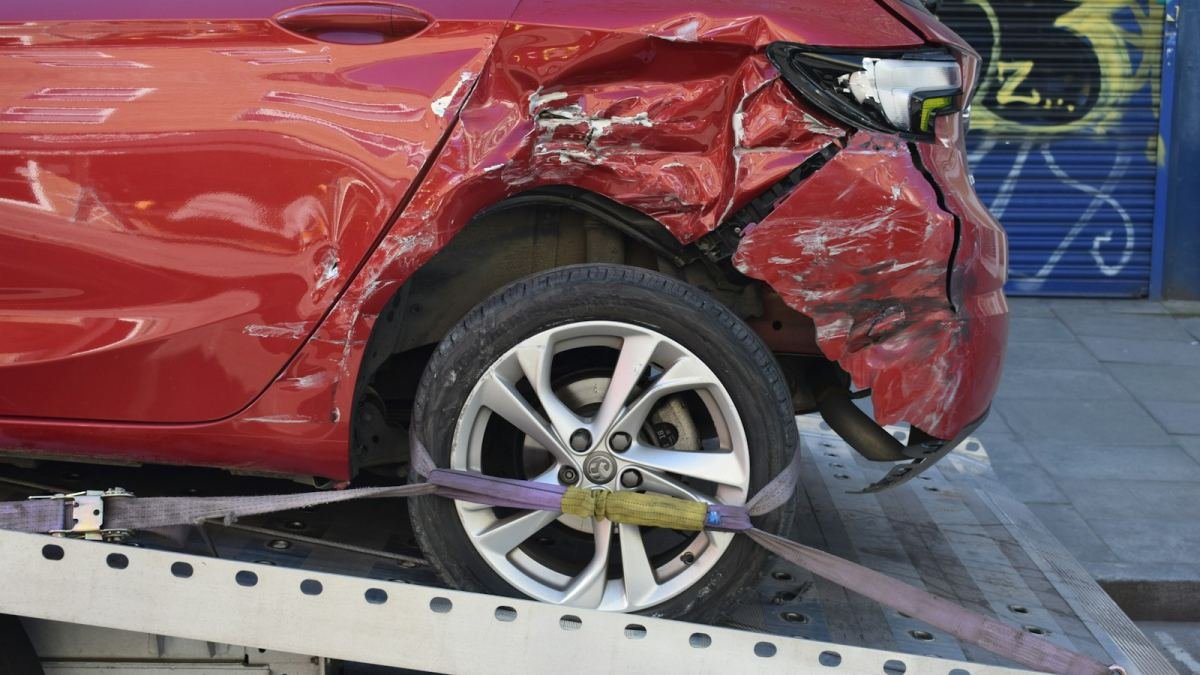
How to Claim Car Insurance in India Without Getting It Cut or Rejected
Claims punish you for doing things in the wrong order. Here is the right order, from the accident to the payout, and what to do if the insurer pays too little.
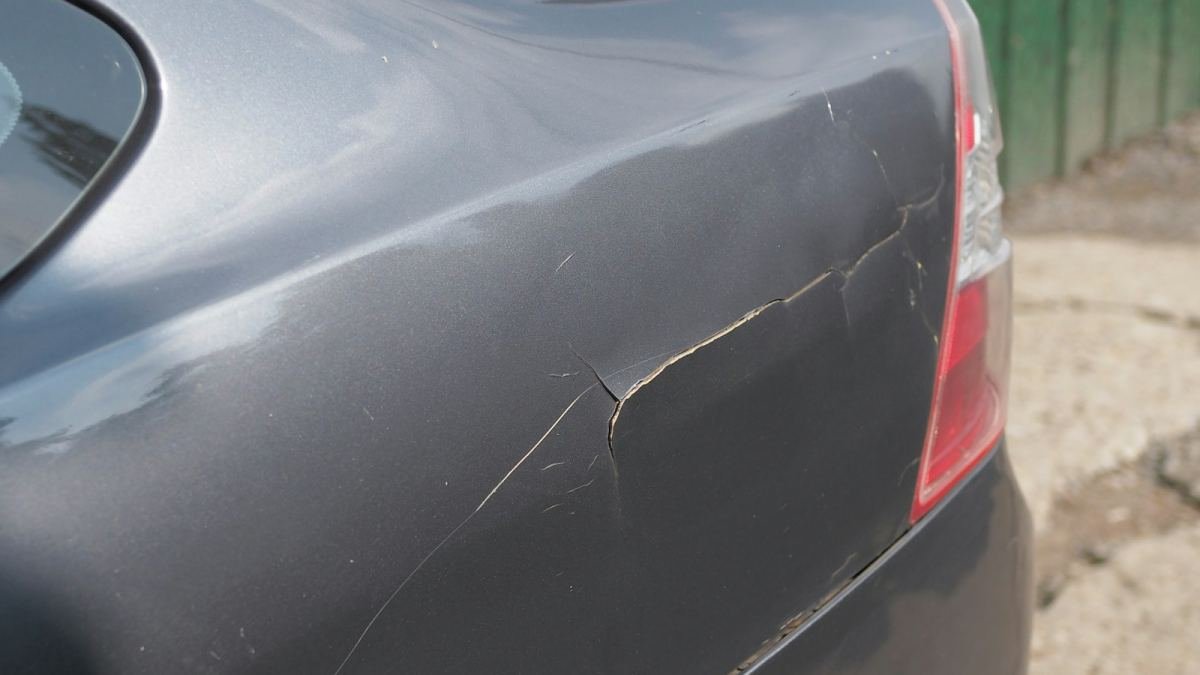
Should You Claim Car Insurance for a Small Dent or Scratch?
For small damage, claiming often costs more than it pays once you count the NCB you lose. Here is how to decide in five minutes, with a real example.
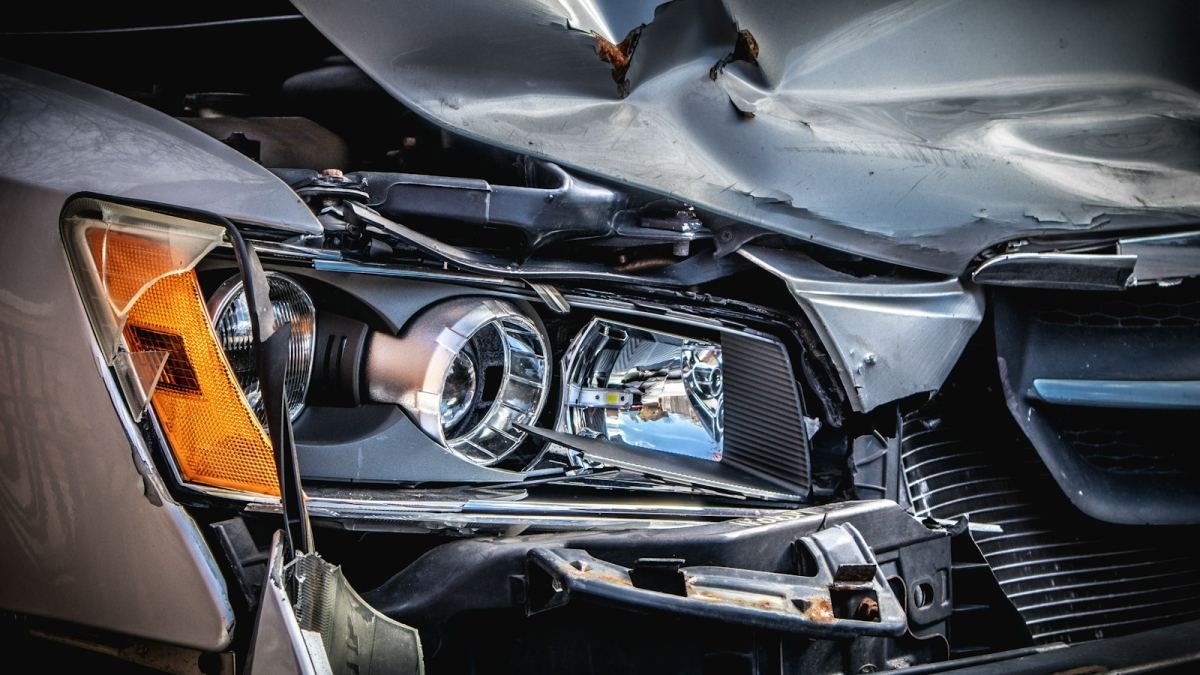
Is Zero Depreciation Cover Worth It? What It Pays and What It Doesn't
Zero dep can add thousands to a claim payout on a newer car. It also has claim limits, age limits and exclusions most people find out about too late.